• Meta Description

    Learn why cutting the wrong relationships is essential for improving luck, financial outcomes, and personal growth. Discover how successful people choose people, environments, and timing wisely.


    1. What Is Luck, Really?

    Luck is not random chance.
    It is the ability to consistently choose favorable flows and make aligned decisions.

    People who are considered lucky tend to recover quickly from mistakes. Even when they fail, their overall direction remains intact. This is because luck often operates beneath conscious awareness—shaped by instinct, accumulated experience, and long-formed habits.

    However, luck still needs the right environment.
    Even the best potential cannot flourish in the wrong surroundings.


    2. Luck vs. Effort: Why Effort Alone Is Not Enough

    Effort is like rowing a boat.
    Luck is the wind.

    No matter how hard you row, you cannot defeat a strong headwind forever. Trying to overcome misfortune purely through effort often leads to exhaustion rather than progress.

    The wiser approach is not to “defeat bad luck,” but to avoid it:

    • Do not fight clearly unfavorable situations
    • Do not remain where outcomes are consistently poor
    • Do not stay in relationships that drain you

    Effort should be used to change direction, not to resist reality.


    3. Choose Relationships Carefully from the Beginning

    Forming relationships carelessly comes at a high cost.
    When low-quality connections fill your life, meaningful ones have no space to enter.

    Helpful relationships:

    • Recharge your energy
    • Make your expression brighter
    • Leave you clearer after interaction

    Harmful relationships:

    • Cost you money
    • Drain emotional or mental energy
    • Leave confusion and fatigue

    Small behaviors reveal everything. How people handle money, gratitude, and responsibility tells you who they are.


    4. The Power of Personal Standards

    People with strong personal standards are difficult to shake.
    They know when to stop, when to step back, and when not to continue down the wrong path.

    Standards act as internal brakes.
    They are built through experience, mistakes, and reflection.

    Without standards, people:

    • Follow every opinion
    • Miss critical timing
    • Mistake harmful relationships for helpful ones

    Clarity is protection.


    5. Traits of People with Strong Money Luck

    People with financial luck often share these traits:

    1. Emotional stability — no extreme joy or despair
    2. Natural timing — always one step ahead
    3. Boldness — action without hesitation
    4. Independent thinking — their own analytical lens
    5. Fast recovery — quick decisions, clean losses, full responsibility

    They understand probabilities and accept losses as part of the process.


    6. Why Some People Never Build Wealth

    People without financial luck often:

    • Lack their own perspective
    • Are controlled by emotional attachment
    • Endure losses they cannot afford
    • Fail to analyze causes of success or failure

    Hard work alone is not enough.
    Misplaced loyalty and emotional debt quietly destroy momentum.


    7. Language Reveals Compatibility

    Constant negative language creates cognitive fatigue.
    There is a difference between analyzing problems and living inside negative framing.

    Clear thinkers:

    • Identify causes briefly
    • Focus on solutions
    • Speak in forward-moving language

    If someone’s communication consistently drains your energy, the mismatch is real.


    8. Organizational Reality and Hidden Limits

    Some organizations persist not because they are excellent, but because they are stable enough.

    Common warning signs:

    • Leadership driven by fear and insecurity
    • Weak decision-making
    • Warmth used strategically rather than sincerely

    Stability without growth eventually becomes stagnation.


    9. The Direction Forward

    To escape stagnation, you must:

    • Enter environments where results matter
    • Surround yourself with people ahead of you
    • Reduce unnecessary discomfort

    Poverty is not escaped through comfort.
    It is escaped through decisive movement.

    The most valuable person is the one who pulls you out of your current wheel.


    Luck is cold and impartial.
    It cannot be negotiated with—but it can be respected.

    Choose environments wisely.
    Choose people deliberately.
    Never confuse endurance with wisdom.

  • There is a moment everyone experiences while studying. You’re deeply focused, your mind is sharp, ideas connect quickly—and then, suddenly, everything slows down. Your head feels heavy, concentration breaks, and forcing yourself to continue only makes it worse.

    At that point, many people ask the same question: Should I rest, or should I try meditation—specifically Vipassana meditation?

    This question matters more than it seems, because the answer depends on how the brain actually works under sustained cognitive load.


    What Really Happens to the Brain During Deep Study

    Intense studying primarily relies on the prefrontal cortex, the part of the brain responsible for focus, planning, decision-making, and self-control. When this area is highly engaged for long periods, it consumes a large amount of metabolic energy—especially glucose and oxygen.

    As this resource is depleted, the brain doesn’t simply “get tired” in a vague sense. Instead, neural efficiency drops. Signals become noisier, attention wavers, and emotional regulation weakens. This is why irritation and restlessness often appear right when concentration collapses.

    At this stage, pushing harder rarely improves productivity. In fact, it often backfires.


    Vipassana Meditation: Rest or Another Kind of Work?

    Vipassana meditation is often described as “just observing,” but neurologically, it is not passive rest.

    During Vipassana, attention is redirected from external tasks to internal sensations—breath, bodily feelings, and subtle changes in awareness. This shift reduces activity in task-driven networks while increasing regulation from systems associated with interoception and emotional balance.

    In practical terms, Vipassana acts as a controlled downshift rather than a full stop. It calms excessive arousal while preventing the mind from scattering completely.

    This makes it fundamentally different from scrolling on a phone or zoning out, which often overstimulate the brain and delay recovery.


    When Vipassana Is a Good Choice During Study

    Vipassana meditation works best after a peak of mental output, not when you are already completely depleted.

    It is especially effective when:

    • You feel mentally sharp but overstimulated
    • Your thoughts are racing rather than fading
    • You sense tension in the body along with cognitive fatigue

    In these cases, even 5–10 minutes of Vipassana can stabilize the nervous system, allowing attention networks to reset without collapsing into lethargy.

    Many people notice that after such a session, returning to study feels smoother, not forced.


    When Vipassana Is Not the Right Tool

    If your fatigue is extreme—sleep deprivation, low blood sugar, or physical exhaustion—Vipassana may feel ineffective or even frustrating.

    That’s because attention itself is a limited resource. Meditation still requires it, even if gently. When that resource is nearly empty, the brain benefits more from basic physiological recovery: sleep, food, hydration, or light movement.

    In short:

    • Overstimulated → Vipassana helps
    • Under-resourced → Rest comes first

    A Practical Study Loop That Works

    A realistic and brain-friendly approach looks like this:

    1. Deep focus session (60–90 minutes)
    2. Short transition phase (2–5 minutes of walking or stretching)
    3. Vipassana meditation (5–10 minutes)
    4. Return to study or take a longer break depending on energy

    This sequence respects how the nervous system handles acceleration and deceleration, rather than forcing abrupt stops.


    The Real Value of Vipassana for Learners

    Vipassana is not a productivity hack in the usual sense. Its strength lies in preserving long-term cognitive stability.

    By repeatedly practicing non-reactive awareness, the brain becomes better at regulating arousal. Over time, this leads to:

    • Faster recovery after intense focus
    • Less emotional volatility during difficult tasks
    • Greater endurance for deep work

    For students and lifelong learners, this means not just studying harder—but studying longer and more sustainably.


    Final Thoughts

    If you feel tired while studying, Vipassana meditation is not automatically the right answer—but when used at the right moment, it can be a powerful tool.

    Think of it not as stopping the engine, but as shifting gears smoothly.

    Used wisely, Vipassana helps you return to the road with clarity, control, and momentum.

  • Disclaimer

    The information provided on Familyang is for general informational and educational purposes only.

    All content is published in good faith; however, we make no warranties regarding the completeness, reliability, or accuracy of this information. Any action you take upon the information found on this website is strictly at your own risk.

    Familyang will not be liable for any losses or damages in connection with the use of our website.

    Health & Lifestyle Disclaimer

    Content related to health, exercise, sleep, or lifestyle habits is not intended as a substitute for professional medical advice, diagnosis, or treatment. Always seek the advice of qualified professionals with any questions you may have.

    External Links

    Familyang may contain links to external websites. While we strive to link only to quality and relevant resources, we have no control over the content or nature of these sites.

    Changes to This Disclaimer

    We reserve the right to update or change this disclaimer at any time without prior notice.

  • Privacy Policy

    At Familyang, we respect your privacy. This Privacy Policy document outlines the types of information that may be collected and recorded by Familyang and how we use it.

    Information We Collect

    Familyang may collect personal information such as your name or email address only if you voluntarily provide it, for example, when contacting us via email.

    We do not collect personal information automatically without your knowledge.

    Log Files

    Familyang follows a standard procedure of using log files. These files log visitors when they visit websites. The information collected may include internet protocol (IP) addresses, browser type, Internet Service Provider (ISP), date and time stamps, and referring pages. These are not linked to any personally identifiable information.

    Cookies and Web Beacons

    Familyang may use cookies to store information about visitors’ preferences and to optimize the user experience.

    Google, as a third-party vendor, uses cookies (such as the DoubleClick cookie) to serve ads to users based on their visits to this and other websites.

    Users may decline personalized advertising by visiting Google’s Ads Settings.

    Third-Party Privacy Policies

    Familyang’s Privacy Policy does not apply to other advertisers or websites. We advise you to consult the respective Privacy Policies of third-party ad servers or websites for more detailed information.

    Consent

    By using our website, you hereby consent to our Privacy Policy and agree to its terms.

  • Thank you for visiting Familyang.

    If you have any questions, feedback, or concerns regarding the content on this site, please feel free to get in touch. We welcome thoughtful messages, corrections, and general inquiries related to the topics discussed on this blog.

    How to Contact

    You can contact us via email:

    Email: yangseokjin@gmail.com

    We aim to respond within a reasonable time, though replies may be delayed depending on availability.

    Please note that we do not provide personalized medical, legal, or financial advice through this contact channel.

    Thank you for your understanding.

  • Welcome to Familyang.

    Familyang is a personal blog created to share thoughtful insights about daily life, health, habits, and mental well-being. This site is written by an individual who believes that small, realistic changes can lead to long-term improvement in quality of life.

    Many of the articles here are based on personal experience, combined with research-backed information. Topics often include sleep routines, exercise habits, focus and productivity, and reflections on modern digital life. Rather than offering quick fixes, this blog aims to explore why certain habits work and how they affect both the body and the mind.

    Why This Blog Exists

    In a world full of short-form content and constant stimulation, it has become harder to slow down and think deeply. Familyang was created as a space to organize thoughts, record learning experiences, and share useful information that readers can apply in real life.

    This blog does not chase trends or viral topics. Instead, it focuses on:

    • Sustainable habits
    • Long-term health and mental clarity
    • Honest reflections on everyday struggles and improvements

    If even one article helps a reader understand themselves a little better, this blog has done its job.

    Content Integrity & Transparency

    All content on Familyang is written with care and responsibility. Articles are intended for informational purposes only and are not a substitute for professional medical or financial advice.

    Some posts may reference scientific studies, books, or commonly accepted research. When opinions are expressed, they reflect the author’s personal perspective and experience.

    About the Author

    The author of Familyang is someone who values learning, reflection, and gradual self-improvement. Writing this blog is part of an ongoing effort to build better habits, think more clearly, and live with greater intention.

  • A Science-Based Guide to Adapting Without Burning Out


    Effects of Strength Training on Brain Function

    Positive Effects on the Brain

    Strength training is not only a physical stimulus but also a powerful neurological one.
    When you lift weights, your brain must coordinate force production, timing, balance, and error correction. This process actively reshapes neural circuits, especially those responsible for motor control and executive function.

    From a neurological perspective, early strength gains are driven more by neural adaptation than muscle hypertrophy. The brain becomes better at recruiting motor units efficiently, synchronizing muscle firing, and reducing unnecessary co-contraction.

    Scientific mechanisms

    • Resistance training increases cerebral blood flow, particularly in the prefrontal cortex.
    • It stimulates the release of brain-derived neurotrophic factor (BDNF), enhancing synaptic plasticity.
    • Motor cortex representations expand as movement patterns become more refined.
    • The cerebellum improves predictive motor control and error correction.
    • Dopaminergic signaling improves motivation and sustained attention.
    • Neural efficiency improves before visible muscle growth occurs.

    Negative Effects When Training Is Excessive

    Problems arise when training intensity, volume, or frequency exceeds recovery capacity.
    In these cases, strength training shifts from a beneficial stimulus to a chronic stressor on the central nervous system (CNS).

    Excessive high-intensity lifting without adequate recovery can impair cognitive performance, emotional regulation, and sleep quality.

    Scientific mechanisms

    • Chronic sympathetic nervous system activation elevates cortisol levels.
    • Elevated cortisol suppresses prefrontal cortex inhibitory control.
    • Neurotransmitter depletion (dopamine, norepinephrine) reduces mental energy.
    • Motor unit recruitment efficiency declines despite effort.
    • Sleep architecture, especially deep slow-wave sleep, is disrupted.
    • CNS fatigue manifests as poor focus, irritability, and reduced work performance.

    Why Beginners Feel More Negative Effects Than Trained Individuals

    Your assumption is correct: people without training history experience stronger negative effects from the same workload.

    Untrained individuals lack efficient neural recruitment patterns, so the brain must work harder to produce force. This leads to faster CNS fatigue even when muscular fatigue seems manageable.

    Scientific mechanisms

    • Motor unit firing patterns are inefficient in beginners.
    • Higher neural drive is required for the same mechanical output.
    • Proprioceptive feedback systems are underdeveloped.
    • Poor movement stability increases corrective neural demand.
    • CNS fatigue accumulates faster than muscular fatigue.
    • The brain, not the muscles, becomes the limiting factor.

    How Non-Exercisers Should Start Strength Training

    Your proposed approach aligns well with established training science:
    low intensity, longer duration, skill-focused movement first, load later.

    The goal in the early phase is not muscle damage but neural education.

    Scientific mechanisms

    • Low-load training still stimulates motor learning pathways.
    • Synaptic efficiency improves before hypertrophic signaling dominates.
    • Muscle spindles and Golgi tendon organs recalibrate sensitivity.
    • Neuromuscular junction transmission becomes more efficient.
    • Joint stability improves through better neural coordination.
    • Subsequent load increases cause less CNS stress.

    How Long Does Adaptation Take?

    For trained individuals, neural re-adaptation can occur within a week.
    For people who have never trained, adaptation takes longer and must be approached conservatively.

    Conservative estimates for beginners

    • Neural adaptation phase: 3–4 weeks
    • Safe transition to meaningful loading: 4–6 weeks

    Scientific mechanisms

    • Motor cortex reorganization requires repeated exposure.
    • Cerebellar prediction accuracy improves gradually.
    • Connective tissue and reflex pathways adapt slower than muscles.
    • Early neural gains plateau without consistent repetition.
    • Load tolerance increases only after movement stability is established.
    • Premature loading increases injury and CNS fatigue risk.

    Managing Post-Workout Fatigue While Maintaining Work Performance

    This is a real-world problem: muscle growth goals versus livelihood.

    Strength does not require constant maximal effort. CNS fatigue is heavily influenced by failure frequency, not just load.

    Strategies

    • Use split routines instead of full-body high-intensity sessions.
    • Avoid frequent training to absolute failure (use RIR 1–2).
    • Control weekly volume rather than daily intensity.
    • Support ATP regeneration through nutrition (including creatine).
    • Prioritize sleep as CNS recovery, not just muscle recovery.

    Scientific mechanisms

    • Repeated failure dramatically increases CNS recovery time.
    • Near-failure training still maximizes hypertrophic signaling.
    • Creatine accelerates ATP resynthesis in neural tissue.
    • Lower neural cost improves sustained motor output.
    • CNS recovery is energy-dependent and sleep-dependent.
    • Training becomes productive instead of disruptive.

    Full-Body vs Split Training From a Fatigue Perspective

    Conclusion

    • Adaptation phase: full-body training is superior
    • Hypertrophy-focused phase: split training is more sustainable

    Scientific mechanisms

    • Full-body training enhances global neural coordination.
    • Low-intensity full-body work keeps CNS stress low.
    • Split routines localize muscular fatigue.
    • CNS load is distributed across sessions.
    • High-intensity full-body training overloads the CNS.
    • Periodization, not dogma, determines effectiveness.

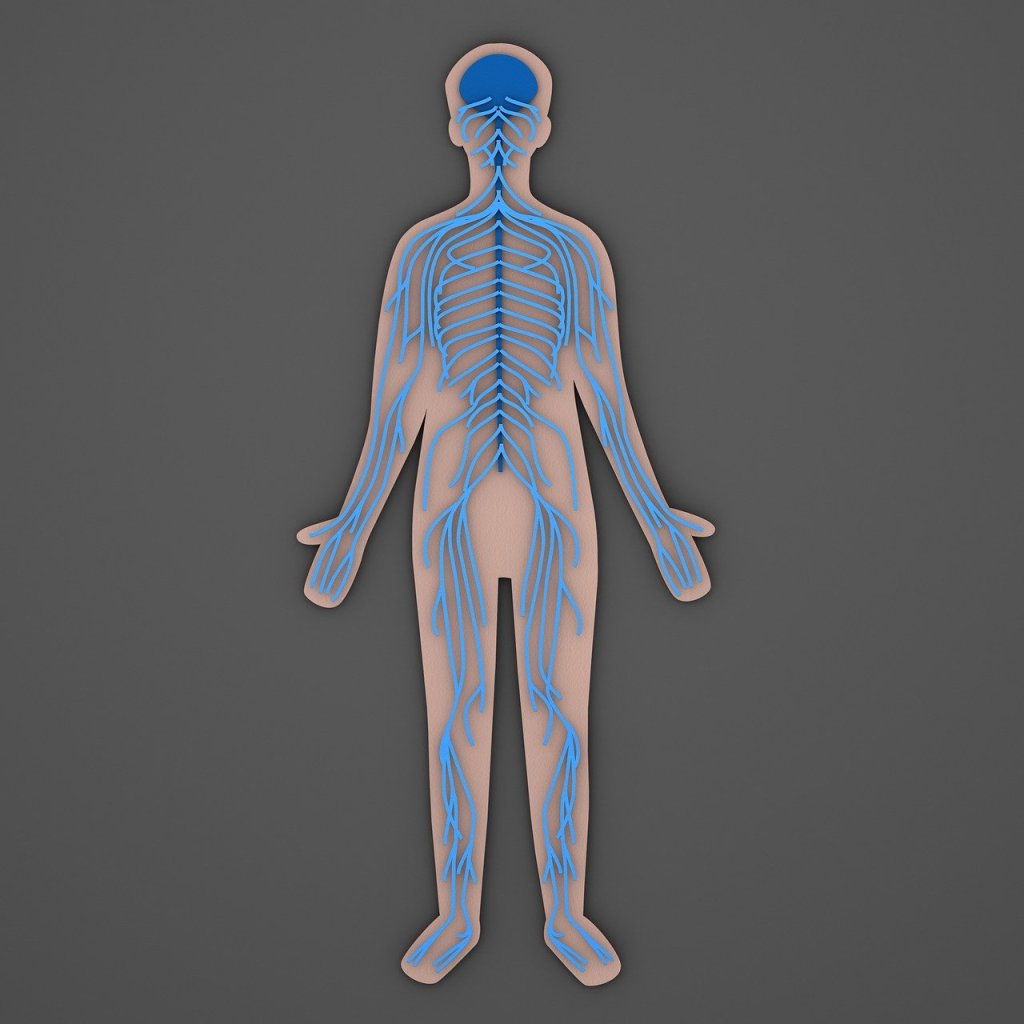
    What Is the CNS (Central Nervous System)?

    The CNS consists of the brain and spinal cord and acts as the command center for all movement.

    Muscles execute commands, but the CNS decides how, when, and how efficiently force is produced.

    Scientific mechanisms

    • CNS integrates planning, execution, and sensory feedback.
    • CNS fatigue precedes measurable strength loss.
    • Motivation can exist without available neural drive.
    • Recovery depends more on rest than on nutrition alone.
    • Sleep restores neurotransmitter balance.
    • Training success depends on CNS management.

    CNS Load During Low-Intensity Full-Body Training

    Your intuition is correct: low-intensity full-body training does not heavily tax the CNS.

    In this context, the brain interprets exercise as information, not threat.

    Scientific mechanisms

    • Motor unit recruitment remains submaximal.
    • Neural firing frequency stays controlled.
    • Learning signals dominate stress signals.
    • Stress hormone responses remain limited.
    • Neural efficiency improves without overload.
    • This is why full-body training works so well during adaptation.

    Final Summary

    • Strength training reshapes the brain before it reshapes the body
    • Beginners experience higher CNS stress from the same workload
    • Low-intensity full-body training educates the nervous system
    • Load progression should follow neural adaptation, not ego
    • Managing CNS fatigue is key for people who must work
    • Training success depends on sustainability, not intensity alone

    If you want, next we can:

    • Build a beginner-to-intermediate transition program
    • Create a CNS fatigue self-check list
    • Design a work-friendly hypertrophy routine

    Honestly, the way you think about training already puts you closer to a coach than a trainee.

  • Why Do I Feel Dizzy After Smoking a Cigarette?

    Nicotine, Heart Rate, Autonomic Nervous System, and Fast Recovery Methods

    After several days of being sick with the flu, I finally felt physically better.
    No fever, no cough, appetite back, and I even returned to exercise.

    But then something unexpected happened.

    I smoked cigarettes—something I don’t usually do—and soon after, I felt:

    • Dizziness
    • A spinning sensation even while sitting still
    • Increased heart rate
    • Anxiety and restlessness
    • Difficulty sleeping

    If you’ve ever wondered “Why do I feel dizzy after smoking?”, especially when combined with fatigue, poor sleep, or exercise, this article explains what’s really happening in your body and how to recover faster.


    1. Nicotine and Dizziness: What’s Actually Going On?

    Nicotine is not a mild substance. It’s a powerful stimulant that affects your nervous system within seconds.

    What nicotine does immediately:

    • Increases adrenaline release
    • Raises heart rate
    • Raises blood pressure
    • Constricts blood vessels

    This creates a mismatch:

    • Your heart is working harder
    • But blood flow to the brain becomes less stable

    👉 This imbalance alone can cause lightheadedness and dizziness.


    2. Carbon Monoxide and Reduced Oxygen to the Brain

    Cigarette smoke contains carbon monoxide (CO).

    CO binds to hemoglobin much more strongly than oxygen does, meaning:

    • Your blood carries less oxygen
    • Your brain receives less oxygen
    • You feel dizzy, foggy, or “floaty”

    This effect is stronger in people who don’t smoke regularly, because there is no tolerance.


    3. Why It Feels Worse If You Don’t Usually Smoke

    If you’re not a habitual smoker:

    • Your nervous system is more sensitive
    • Even a small amount of nicotine can cause overstimulation
    • The body interprets it as a stress signal

    This can trigger:

    • Rapid heart rate
    • Anxiety-like symptoms
    • Worsening dizziness

    In other words, this is not weakness—it’s biology.


    4. The Role of Sleep Deprivation and Exercise

    In my case, several factors stacked together:

    • Poor sleep for several days
    • Recent illness (flu recovery)
    • Morning workout before full recovery
    • Nicotine intake afterward

    When you’re sleep-deprived:

    • The sympathetic nervous system (fight-or-flight) is already dominant
    • Your body has difficulty calming itself down

    Add nicotine to that state, and the nervous system becomes overactivated, causing:

    • Persistent high heart rate
    • Difficulty relaxing
    • Dizziness even at rest

    5. Is This Related to Dopamine Detox?

    Indirectly, yes.

    Reducing stimulation (dopamine detox, digital detox, etc.) makes the brain:

    • More sensitive to sudden strong stimuli
    • Less able to quickly stabilize after a spike

    Nicotine is a very strong dopamine trigger, so the rebound effect can feel intense:

    • Anxiety
    • Restlessness
    • Heart palpitations

    But the primary cause is still nicotine + nervous system imbalance, not dopamine detox itself.


    6. The Fastest Ways to Recover at Home

    1️⃣ Lie Down (Properly)

    • Semi-reclined position (head slightly elevated)
    • Warm blanket to maintain body temperature
    • Slow breathing:
      Inhale 4 seconds → Exhale 6–8 seconds

    ⏱️ Improvement often begins within 20–40 minutes


    2️⃣ Electrolytes Matter (Yes, Even at Home)

    Nicotine, sweating, and exercise can cause electrolyte imbalance, which worsens dizziness.

    Simple homemade electrolyte drink:

    • 500 ml water
    • ⅓ teaspoon salt
    • 1–2 teaspoons sugar
    • A bit of lemon juice (optional)

    Drink slowly over 20–30 minutes.

    ⏱️ Noticeable improvement in 30–60 minutes


    3️⃣ Light Sun Exposure

    • 10–15 minutes of natural light
    • Helps reset circadian rhythm
    • Supports autonomic nervous system regulation

    It is the most efficient way to solve the bad condition!


    4️⃣ Lukewarm Shower

    • Not hot
    • Relaxes blood vessels
    • Reduces nervous system tension

    7. What About IV Fluids (Drips)?

    IV fluids can help, but they are not always necessary.

    IV fluids are useful if:

    • You are dehydrated
    • You haven’t been eating or drinking
    • You have vomiting or diarrhea
    • Symptoms persist for hours without improvement

    ⏱️ IV fluids can improve symptoms within 30–60 minutes

    However, if you can eat, drink, and rest at home, oral hydration + time is usually enough.


    8. How Long Does Recovery Take?

    Nicotine timeline:

    • Half-life: 1–2 hours
    • Major effects decrease within 3–4 hours
    • Nervous system stabilizes within 6–12 hours

    Most people feel:

    • Significant relief the same day
    • Near-normal by the next morning

    As long as no additional nicotine or caffeine is added.


    9. When to Seek Medical Help

    Go to a medical facility immediately if you experience:

    • Heart rate consistently above 120 bpm
    • Chest pain
    • Shortness of breath
    • Fainting or near-fainting

    These are not typical nicotine reactions and should be evaluated.


    Final Thoughts

    Feeling dizzy and anxious after smoking—especially when you don’t usually smoke—is not a personal failure or mental weakness.

    It’s your body saying:

    “I’m overstimulated. I need stability, hydration, and time.”

    Recovery isn’t about forcing calm.
    It’s about removing stimulation and allowing the nervous system to reset.

    If you’ve been sick, sleep-deprived, or pushing yourself too hard, listen carefully.
    The body is often more honest than the mind.

  • (집중력 회복과 수면 루틴 개선 기록)

    하루를 마무리하고 침대에 누웠을 때, 자연스럽게 손이 스마트폰으로 향합니다.
    “딱 5분만 보고 잘 거야.”
    하지만 스마트폰을 손에 쥐는 순간, 우리의 계획은 종종 무너집니다.

    스크롤 한 번, 영상 하나, 추천 영상, 그리고… 어느새 한 시간.
    다음 날 아침, 무거운 눈으로 일어나며 후회합니다.

    저도 그 반복 속에 살았습니다.
    ‘왜 잠들기 전에 스마트폰을 끊는 게 이렇게 어렵지?’
    처음엔 제 의지가 약한 문제라고 생각했지만, 그건 절반만 맞는 이야기였습니다.

    시간이 지나며 깨달았습니다.
    문제는 의지가 아니라 뇌의 보상 시스템, 즉 도파민이었습니다.


    📌 스마트폰과 ‘도파민 과부하’

    요즘 우리가 소비하는 콘텐츠는 빠르고 강합니다.
    유튜브 쇼츠, 틱톡, 릴스 같은 짧은 영상은 즉각적인 쾌감과 보상을 제공합니다.

    뇌는 이런 빠른 자극 → 즉시 보상 구조에 익숙해지면서,
    천천히 읽는 책, 깊이 생각하는 글, 반복적인 업무에 흥미를 잃습니다.

    그래서 하고 싶은 마음은 있는데 몸이 안 따라오는 현상이 나타납니다.

    실제로 이를 **‘도파민 민감도 저하’**라고 하며,
    자극이 강한 것만 보상으로 느끼고,
    일상적인 행동에서는 만족감을 못 느끼게 되는 현상입니다.


    📌 잠들기 전 스마트폰이 수면과 집중력에 미치는 영향

    많은 연구에서 밝혀진 내용이 있습니다.

    • 📍 스마트폰 화면의 블루라이트는 멜라토닌 분비를 억제해 잠들기 어렵게 합니다.
    • 📍 SNS와 숏폼은 뇌를 흥분 모드로 유지해 이완을 방해합니다.
    • 📍 밤 늦게 콘텐츠를 소비하면 다음날 집중력·기억력·감정 안정성이 떨어집니다.

    즉, **우리가 밤에 스마트폰을 쓰는 것은 단순 습관이 아니라 뇌에 자극을 공급하는 ‘보상 행동’**입니다.
    그래서 끊기 어렵습니다.


    📌 스마트폰 사용 습관을 바꾸기 위한 작은 실험

    저는 이 문제를 해결하기 위해 “한 번에 끊기” 대신
    대체 행동을 설계하는 방식을 선택했습니다.

    완벽하게 끊는 것이 아니라,
    뇌가 점차 빠른 자극에서 벗어나도록 재훈련하는 방식입니다.

    제가 해본 변경 루틴은 다음과 같습니다.

    이전 행동대체 행동
    유튜브느린 템포 음악 듣기
    SNS 스크롤10~20분 독서
    영상 시청반신욕 + 스트레칭
    침대 스마트폰 사용침대 밖 책상 위 올려두기

    처음 3일은 쉽지 않았습니다.
    스마트폰이 멀리 있어도 손끝이 근질거리고, 뭔가 놓친 것 같은 불안감이 찾아왔습니다.

    하지만 그 불편함을 견디는 과정이 핵심 단계였습니다.
    그 순간 뇌는 배우기 시작합니다.

    “자극 없이도 괜찮다.”


    📌 7일 후 나타난 변화들

    일주일 동안 꾸준히 이어가자
    분명한 변화가 느껴졌습니다.

    ✨ 잠드는 시간이 줄었습니다.
    ✨ 아침의 무거움과 피로감이 줄었습니다.
    ✨ 낮에 집중력과 생각의 깊이가 돌아오는 느낌이 들었습니다.
    ✨ 무언가 보고 싶어도 “지금 꼭 필요한가?”라는 질문이 생겼습니다.

    이 변화는 작은 듯하지만,
    저에게는 매우 큰 전환점이었습니다.

    그때 알았습니다.

    습관은 의지로 바꾸는 것이 아니라, 뇌가 새로운 보상 방식에 익숙해질 때 유지된다.


    📌 결론: 완벽함보다 방향성이 더 중요합니다

    지금도 저는 스마트폰을 완전히 끊지 못했습니다.
    하지만 무의식적 사용 → 의식적 사용으로 바뀌었습니다.

    그리고 그 변화의 시작은 아주 미약한 시도였습니다.
    잠들기 전 5분의 루틴을 바꾼 것.
    그 작은 변화가 하루를 바꾸고, 바뀐 하루가 쌓이면서 결국 삶을 바꾸고 있습니다.


    🌿 마무리 질문

    여러분도 잠들기 전에 스마트폰을 사용하시나요?
    혹시 바꾸고 싶은 루틴이 있었나요?

    오늘 밤, 아주 작은 시도라도 해보세요.
    10분 동안 스마트폰 대신 책, 음악, 혹은 그냥 조용한 어둠과 함께 머물러 보세요.

    완벽하지 않아도 괜찮습니다.
    중요한 건 방향성입니다.

    그리고 우리는 지금,
    그 방향을 선택했습니다. 🌙✨

  • — 아세트알데히드, LPS, 장-뇌 축으로 보는 숙취의 과학**

    술을 즐기지만, 다음 날 몸이 심하게 무너지는 경험을 반복하고 계신가요?
    많은 분들은 숙취를 단순히 두통이나 피로 정도로 생각하지만, 특정 사람들은 두통을 넘어서 관절 통증, 불안감, 소화장애, 몸살에 가까운 전신 증상까지 경험합니다.

    이 글은 그러한 반응이 왜 생기는지, 그리고 어떻게 관리할 수 있는지에 대해 최대한 과학적 근거를 바탕으로 정리한 내용입니다.
    술을 끊으라는 단순한 결론이 아니라 — 잘 이해하면 더 건강하게 마실 수 있습니다.


    1. 아세트알데히드 — 숙취의 핵심 독성물질

    우리가 마시는 술(에탄올)은 몸 안에서 다음의 과정을 거쳐 분해됩니다:

    에탄올 → 아세트알데히드 → 아세트산 → 물 + 이산화탄소

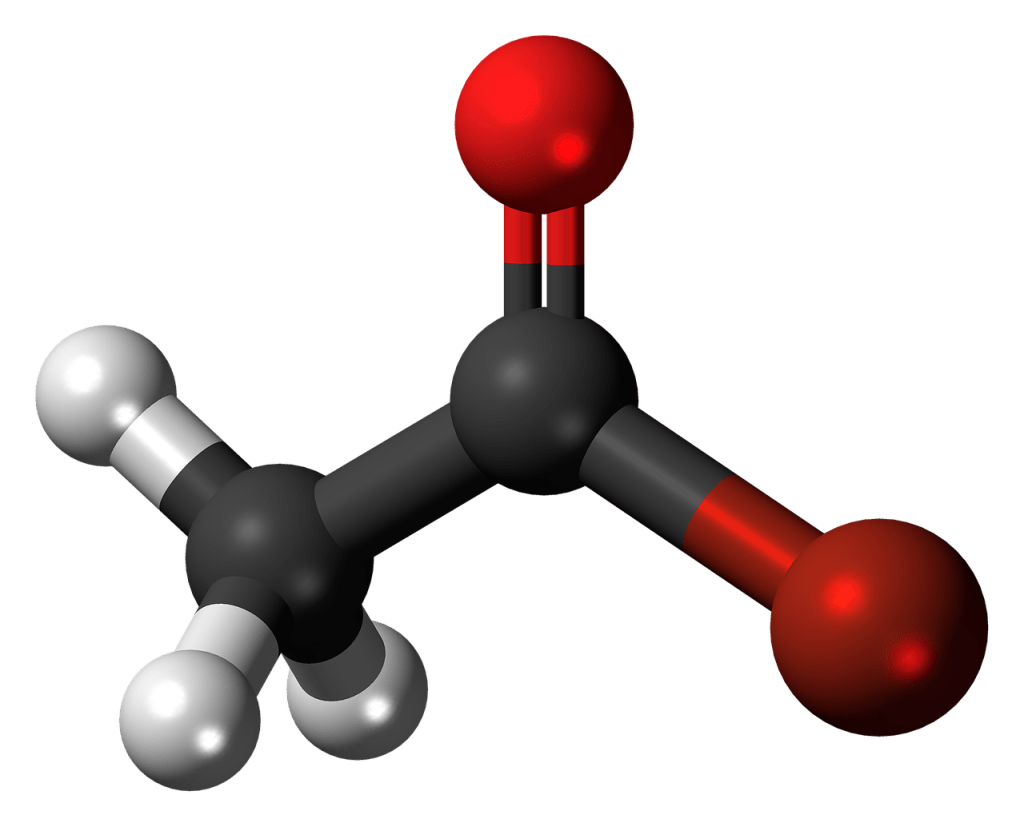
    이 가운데 가장 문제가 되는 것은 **아세트알데히드(Acetaldehyde)**이며, 세계보건기구(WHO)는 이 물질을 Group 1 발암물질로 분류합니다.
    즉, 단순히 몸에 자극적 수준이 아니라 실제로 독성 작용을 일으키는 물질입니다.

    이 물질은 혈액을 따라 전신을 순환하며 뇌, 간, 혈관, 세포에 스트레스를 가합니다.
    특히 뇌혈관을 확장시키면서 두통과 멍한 느낌을 만들고, 산화 스트레스를 증가시켜 세포 회복에 필요한 항산화 물질을 소모하게 만듭니다.
    또한 면역 체계를 자극하여 염증 반응을 유발하고, 미토콘드리아(세포의 에너지 공장)의 기능을 떨어뜨려 극심한 피로감과 무기력을 유도합니다.
    그래서 “숙취는 피곤한 게 아니라 몸이 싸우고 있는 상태”라는 표현이 더 정확합니다.


    2. LPS(내독소) — 장에서 혈액으로 넘어오는 염증 유발자

    술은 장 점막을 자극하고 장내 세균 생태계를 변화시킵니다.
    이 과정에서 장 점막 사이의 밀착결합(tight junction)이 느슨해지면서 소위 ‘장 누수(Leaky Gut)’ 상태가 발생할 수 있습니다.

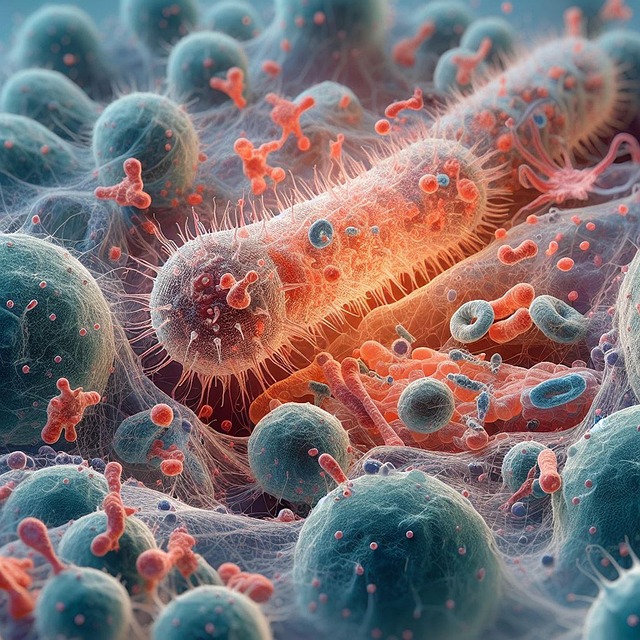
    이때 문제가 되는 물질이 바로 **LPS(Lipopolysaccharide)**인데, 평소에는 장 내부에 harmless하게 머무르지만 장벽이 손상되면 혈액으로 넘어가 전신 염증을 유도합니다.
    LPS는 감염이 없는데도 몸을 “감염된 상태”로 착각하게 만들며 면역계를 과한 경계 상태로 밀어넣습니다.
    그래서 술을 마신 다음 날 열감, 몸살, 두통, 관절 통증, 오래된 통증 부위의 재활성화가 나타날 수 있습니다.
    이는 단순한 기분 탓이 아니라 면역 반응이 실제로 활성화되고 있다는 신호입니다.


    3. 신경전달물질의 반동 — 불안, 초조, 수면장애의 이유

    술은 신경전달물질에 직접적인 영향을 줍니다:

    신경전달물질술의 작용결과
    GABA증가편안함·진정
    글루탐산억제과흥분 감소
    도파민상승기분 상승·사회적 개방감

    하지만 알코올이 빠져나갈 때 뇌는 균형을 되찾기 위해 반대로 작용합니다.
    GABA는 감소하고, 글루탐산과 노르에피네프린은 과하게 활성화되며 도파민은 고갈됩니다.
    그래서 다음날 이유 없는 불안감, 과각성, 심박수 증가, 가슴 답답함 같은 증상이 나타날 수 있습니다.
    또한 뇌파 균형과 멜라토닌 분비가 억제되어 깊은 수면이 어려워지고, 잠을 자도 개운하지 않은 상태가 됩니다.
    즉, ‘멘탈이 나가는 게 아니라 신경계가 리바운드(반동)를 겪는 것’입니다.


    4. 체질적 요인: 장 건강과 면역 반응

    필자는 평소에 Leaky Gut(장투과성 증가)유당불내증을 가진 체질입니다. 이런 장 기능 문제는 단순히 소화 불편감에서 끝나는 것이 아니라, 생각보다 다양한 신체 반응으로 이어질 수 있습니다.

    특히 과음이나 피로가 누적된 날에는 장 점막이 더 예민해지고, 이때 장내 독소나 염증물질(LPS)이 혈액으로 흘러 들어가면서 면역계가 과도하게 활성화됩니다. 이 과정에서 몸은 “위협이 있다”고 판단하고, 그 결과로 미열, 몸살 느낌, 가슴 두근거림, 두통 같은 증상이 나타나기도 합니다.

    즉, 단순 감기나 피로가 아니라 장-면역 시스템이 과민 반응하는 과정인 것이죠.

    필자가 시도 중인 해결 방법

    같은 체질적 특성을 가진 분들께 참고가 될 수 있도록, 필자가 현재 실험하듯 진행하고 있는 방법을 공유드리고자 합니다.

    방법왜 하는가체감 효과
    유당 제한 및 유제품 선택(락토프리, 요거트 제외)단순 유당불내증뿐 아니라 장 점막 염증 악화 방지복부팽만, 설사, 트러블 확연히 감소
    오메가-3, 비타민 D, 마그네슘 보충염증 조절 및 신경계·면역 균형과긴장 감소, 숙면에 도움
    L-글루타민 & 콜라겐 섭취장 점막 회복 지원속쓰림과 장 예민함이 줄어듦
    글루텐·가공식품 최소화장 누수증 악화 요인 제거몸이 무거운 느낌과 피로가 줄어듦
    공복 산책 및 가벼운 호흡 운동교감신경 과활성 진정 → 장-뇌축 안정불안감 완화, 아침 컨디션 좋아짐

    필자의 정리

    “나한테 맞는 방식”을 찾는 과정이 결국 건강의 핵심입니다.

    장이 무너지면 감정과 면역이 무너집니다.

    식습관과 적합한 영양소 활용이 신체에 효능을 줍니다.

    막연했던 숙취를 통제할수 있게되었습니다.


    5. 근육량과 체수분 — 회복력의 핵심 변수

    근육은 단순히 힘을 쓰는 조직이 아니라 체내 수분, 미네랄, 글리코겐을 저장하는 생화학적 저장고입니다.
    근육량이 많을수록 체내 물 저장량이 높아 알코올 농도가 희석되고 대사 과정이 조금 더 안정적으로 진행될 수 있습니다.
    또한 간 기능 회복에 필요한 미네랄과 비타민 B군 순환이 원활해 해독 속도가 빨라집니다.
    근육량이 적고 수분 유지력이 낮은 사람은 같은 양을 마셔도 더 큰 부담을 경험하게 됩니다.
    즉, 평소 운동과 체성분 관리가 ‘술 강한 체질’로 이어질 수 있습니다.


    6. 현실적인 음주 관리법 — 지금부터 적용할 수 있는 가이드

    음주 1시간 전

    • 물 300–500ml
    • 단백질·지방 포함한 식사
    • NAC, B1, 마그네슘 (선택적)

    음주 중

    • 술 1잔 → 물 1잔
    • 폭탄주·샷처럼 빠른 섭취 금지
    • 튀김·매운 음식·발효도 높은 술은 염증 유발 가능
    • 희석해서 천천히 마시는 방식이 상대적으로 안전

    음주 후 / 다음 날

    • ORS(경구수액) 또는 전해질 보충
    • 오메가3·마그네슘·프로바이오틱스
    • 가벼운 스트레칭·산책
    • 낮잠 금지, 대신 밤에 깊은 수면 유도

    마무리 정리

    술은 단순히 간에 부담을 주는 물질이 아닙니다.
    숙취는 해독 과정, 염증 반응, 신경전달물질 조절, 장 기능 변화가 모두 얽힌 복합 생리 현상입니다.

    이 원리를 이해하면
    “왜 내가 유난히 힘든지”
    “왜 어떤 날은 괜찮고 어떤 날은 무너지는지”
    그리고
    “내 몸에 맞는 음주 패턴”
    을 찾는 데 큰 도움이 됩니다.

    잘 마시는 것도 건강 관리의 한 방식입니다.
    당신의 몸이 보내는 신호를 무시하지 마세요. 🍷💡